Table of Contents
- How to Measure Yourself for Clothes: The 5 Numbers That Matter
- How to Read a Clothing Size Chart Without Guessing
- Garment Measurements vs. Body Measurements: What's the Difference?
- Women's Clothing Size Conversion Chart: What It Can and Can't Tell You
- How to Interpret Online Clothing Sizes When You Fall Between Two Sizes
- Fabric Stretch, Fit Notes, and Brand Sizing: Reading the Fine Print
- Conclusion: Shopping with Confidence
- Frequently Asked Questions
Last Updated: October 7, 2026
How to Measure Yourself for Clothes: The 5 Numbers That Matter
Learning how to interpret online clothing sizes starts with one truth: your body measurements beat any size label.
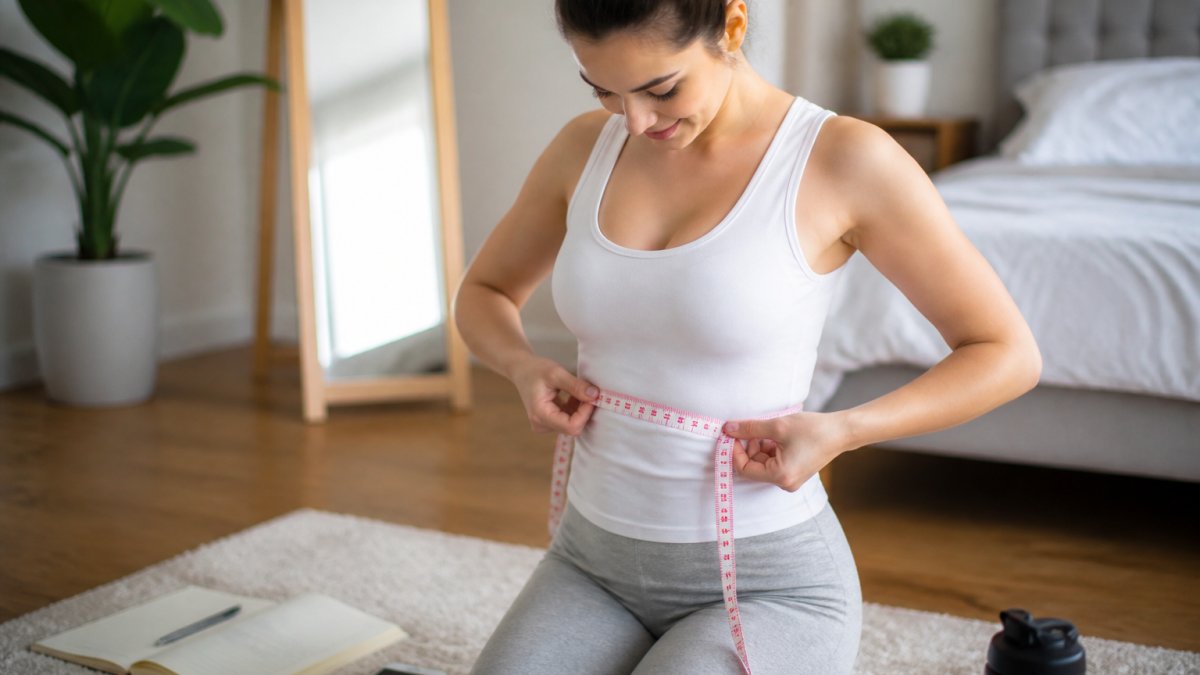
Most returns happen because shoppers trust the tag instead of the tape.
Here are the five numbers worth knowing:
- Chest or bust at the fullest point
- Natural waist at the narrowest point
- Hips at the widest point
Grab a soft tape measure and wear light clothing. Stand tall, breathe out normally, and keep the tape snug but not tight. Write each number down. That list becomes your personal size chart.
Chest, Bust, and Shoulder Width
Chest or bust is the measurement around the fullest part of your chest, tape level under your arms and across your back. For women this is the bust; for men, the chest.
Shoulder width runs from the edge of one shoulder to the other, across your upper back. It matters most for jackets and structured tops, where a poor shoulder fit is hard to fix.
Waist, Hips, and Inseam
Waist is the narrowest point of your torso, usually just above the belly button. Do not measure over a waistband or suck in. A relaxed, natural waist gives the most accurate result.
Hips are the widest point around your seat and upper thighs. Inseam runs from the crotch seam to where you want the hem to sit. For trousers and jeans, inseam decides length; waist and hips decide the cut.
How to Read a Clothing Size Chart Without Guessing
A clothing size chart lists body measurements for each size. Match your numbers to the closest row, not the label you usually buy, every brand builds its own chart, so the same letter or number can mean different things from store to store.
To read a size chart:
- Find the chart on the product page, not the brand's general guide.
- Match your chest, waist, and hip numbers to the closest row.
- Check the fit notes for stretch or a relaxed cut.
- If you sit between two rows, size up for a looser fit or down for a snug one.
Alpha Sizing vs. Numeric Sizing Explained
Alpha sizing uses letters: XS, S, M, L, XL. Numeric sizing uses numbers: 2, 4, 6, 8, or 28, 30, 32 for waistbands.
Alpha sizes cover a range of bodies, so they fit loosely. Numeric sizes are more precise but vary more between brands. A medium at one label may sit closer to a small at another, which is why your measurements always win over the letter on the tag.
Garment Measurements vs. Body Measurements: What's the Difference?
Body measurements describe your actual body. Garment measurements describe the clothing itself, laid flat and measured across. Mixing them up is a common reason an item arrives too tight or too loose.
| Measurement | What It Measures | Where to Find It |
|---|---|---|
| Body measurement | Your chest, waist, hips | Your own tape measure |
| Garment measurement | The item, laid flat | Product page or listing |
| Pit-to-pit | Chest width of a shirt, flat | Garment measurement table |
| Ease | Extra room built into a garment | Fit notes or reviews |
Ease is the gap between your body and the finished garment: a fitted blouse has little ease, a relaxed sweater more. When a listing shows pit-to-pit, double it to compare with your chest measurement.
Women's Clothing Size Conversion Chart: What It Can and Can't Tell You
A women's clothing size conversion chart maps sizes between countries, such as US, UK, and EU. It is a helpful starting point but cannot promise a perfect fit, because sizing rules differ by brand and garment type.
| System | Typical Sizes | Notes |
|---|---|---|
| US | 0, 2, 4, 6, 8 | Runs smaller than UK |
| UK | 4, 6, 8, 10, 12 | Often two sizes above US |
| EU | 32, 34, 36, 38, 40 | Based on different body data |
| Alpha | XS, S, M, L, XL | Covers a range, fits loosely |
Use a conversion chart to narrow your options, then confirm with the brand's own size chart. Country sizing systems are guides, not guarantees. Fabric, cut, and brand sizing all shift the final fit.
How to Interpret Online Clothing Sizes When You Fall Between Two Sizes
Falling between sizes is normal, and the fix depends on garment type, fabric behavior, and which measurement the cut relies on. Treat the size chart as a starting point, then apply the rules below.
Which measurement should win?
When your numbers straddle two rows, prioritize the measurement that controls wearability:
- Tops, dresses, and jackets: chest/bust and shoulder width decide fit. If your bust sits in one size and your waist in the next, buy for the bust and have the waist taken in.
- Trousers and jeans: hip and rise decide fit; waist can often be adjusted with a belt or tailor. Buy for the hip.
- Skirts: hip is the anchor measurement. A skirt that fits the hip but gaps at the waist is a simple alteration.
Decision rules by garment type
- Woven, no stretch (button-downs, tailored trousers, denim without elastane): size up. There is no give, and a too-small woven garment cannot be stretched into comfort.
- Knits and jersey (tees, sweaters, casual dresses): the smaller size often works because the fabric molds to the body. Size down only if you want a close fit.
- Stretch denim and leggings: size down if the chart shows the fabric recovers; size up if reviews mention bagging at the knees.
A repeatable method for comparing measurements across brands
Brand-to-brand inconsistency is the core problem, so build a personal reference file for every order:

- Record your five numbers (bust, waist, hip, inseam, shoulder) once, and update them every six months.
- Measure a garment you already own that fits well. Lay it flat, measure pit-to-pit, waist across, and hip across, then double the flat numbers to get circumference. This is your "known-good" reference.
- Open the product page's own size chart, not the brand's general guide, which is often outdated or averaged across categories.
- Compare your known-good garment numbers to the chart, not just your body numbers. If your favorite tee measures 20 inches pit-to-pit (40 inches around) and the chart lists a medium at 19 inches, the medium will be snug.
- Read the fit notes and fabric composition for stretch percentage and cut.
- Scan reviews for phrases like "runs small," "true to size," or "size up if between sizes" and note the reviewer's height and usual size when listed.
- Check the return window and whether return shipping is free before you buy.
When to size up anyway
Even with stretch fabric, size up if you are between sizes on the controlling measurement, the item is final sale, the return window is short, or you plan to wear it over another layer. A slightly loose garment can be tailored; a too-small one usually cannot.
Fabric Stretch, Fit Notes, and Brand Sizing: Reading the Fine Print
Fabric stretch and fit notes tell you how a garment will behave once it is on your body, and they matter as much as the size chart. Two tops with identical bust measurements can fit completely differently depending on fiber content, weave, and cut.
How fabric stretch changes the size recommendation
Stretch is usually listed as a percentage on the care label or product page. As a working rule:
- 0-2% stretch (woven cotton, linen, wool, most denim without elastane): the garment will not give. Follow the chart exactly or size up.
- 3-5% stretch (denim with a small amount of elastane, some twill): minor give, mostly at stress points. Size to the chart.
- 5%+ stretch (jersey knits, ponte, activewear, bamboo blends): the fabric moves with you. The smaller of two sizes often works if you want a close fit.
Stretch also affects recovery: a high-stretch knit that does not recover will bag at the knees, elbows, and seat. Reviews mentioning "stretched out" or "lost shape" signal you to size down or choose a different fabric.
Fit notes use a shared language, learn it
- Relaxed: extra room through the body, dropped shoulder, easy drape.
- Regular / classic: standard ease, close but not tight.
- Fitted / slim: minimal ease, follows the body's line.
Rise, cut, and intended fit
For trousers and jeans, rise (crotch seam to waistband) changes where the waistband sits and which waist measurement applies: high-rise sits at the natural waist, low-rise at the hip. If your waist and hip measurements differ by several inches, the same numeric size can fit very differently across rises. Cut (straight, skinny, bootcut, wide-leg) changes how fabric drapes through the thigh and calf, so two pairs with the same waist can feel entirely different.
Inclusive sizing and fit variation across body shapes
A single size label never fits every body the same way, because bodies with the same bust, waist, and hip numbers can still differ in torso length, shoulder slope, and where the waist sits. A brand's wide size range is a starting point, the chart's row for your size still assumes a specific proportion. If your proportions differ, prioritize the measurement that controls wearability and tailor the rest.
Measurement accuracy: the mistakes that skew your numbers
Even a correct chart fails if your measurements are off. Common errors:
- Measuring over clothing. A sweater can add an inch or more to your bust and waist. Measure against light clothing or skin.
- Pulling the tape too tight. The tape should sit snug and level, not compress the body. A too-tight waist measurement can push you into a size that will not close.
- Letting the tape sag at the back. For bust and waist, keep the tape parallel to the floor all the way around.
Inclusive sizing and fit variation across body shapes mean one label never fits everyone the same way. Brands that publish detailed measurements and honest fit notes make online shopping far easier. Our own long sleeve tee lists its size range from XS to 3XL, so you can match your numbers to a real range instead of guessing.
A common mistake is trusting the size label over the measurements. In practice, the tape measure is the only number that travels with you across every brand.
Conclusion: Shopping with Confidence
Sizing online stops being a gamble once you know your five numbers and how to read a chart. Labels will keep changing between brands; your measurements will not.
At Sak's Gl'amour, we make that easier with apparel built around clear sizing. Our women's stretch denim capris use a lightweight stretch fabric that moves with you, and our men's bamboo tee lists true American sizing so you can match your chest and shoulder numbers with confidence.
Frequently Asked Questions
How do you read an online clothing size chart?
Start by taking your own body measurements with a soft tape measure: bust, waist, hips, and inseam. Then compare those numbers to the brand's specific size chart, not a generic one. Look for the size where your measurements fall within the listed range. If you are between sizes, check the garment's fabric stretch and fit notes. For example, a 100% cotton tee with no stretch will fit differently than a bamboo viscose blend with 4-way stretch.
Why do clothing sizes vary so much between brands?
Clothing sizes are not standardized across the fashion industry. Each brand develops its own fit model and grading system, so a medium at one retailer may match a large at another. Factors like target demographic, country sizing systems, and fabric choice all affect the final fit. This is why reading the specific brand's size chart and customer reviews is more reliable than assuming your usual size will work everywhere.
What should you do if your measurements fall between two sizes?
If your measurements fall between two sizes, consider the garment type and fabric first. For stretchy fabrics like the Women's Lightweight Stretch Denim Capri Pants, sizing down often works because the material moves with you. For structured or non-stretch items, size up and plan to tailor. Also check the brand's return policy. A relaxed fit style may give you more flexibility, while a slim cut leaves less room for error.
How can you tell whether an online garment will fit before buying?
Compare the garment's actual measurements, not just the size label, to a piece you already own and love. Many online listings show flat measurements like pit-to-pit or waist width. Lay your favorite similar garment flat, measure it the same way, and compare. Also read customer reviews for fit feedback and check the fabric composition. A preshrunk 100% ring-spun cotton tee, for instance, will hold its size after washing, while unwashed cotton may shrink.