Table of Contents
- Quick Comparison: Daily Wellness Tools at a Glance
- How to Choose High Quality Daily Wellness Tools
- Essential Wellness Products for Professionals
- Best Wellness Gadgets for Stress Relief
- How to Build a Wellness Routine That Sticks
- Long-Term Value: Durability, Sustainability, and Safety
- Frequently Asked Questions
Last Updated: September 11, 2026
Quick Comparison: Daily Wellness Tools at a Glance
The smartest way to purchase high quality daily wellness tools is to focus on items you will actually touch every day, not the ones with the loudest marketing. This guide cuts through the noise and shows you exactly which tools earn their place on your shelf, and which ones just collect dust.
Most wellness purchases fail for a boring reason: people buy for the idea of a routine rather than the reality of one. A tool that takes ninety seconds to use gets used. A tool that requires setup, charging, and an app login does not.
Here is the honest comparison, with real prices from our own collection:
| Tool | Price | Primary Benefit | Best For |
|---|---|---|---|
| Dry Body Brush | $12.00 | Exfoliation and circulation | Morning routine starters |
| Bamboo Exfoliating Dry Brush With Sisal Bristles | $16.00 | Lymphatic drainage, full reach | Full-body daily use |
| Dry Face Brush | $12.00 | Gentle facial exfoliation | Skincare prep |
| Bamboo Stimulating Scalp Massager | $12.00 | Scalp circulation and tension relief | Shower routines |
| Magnesium Mist Body Spray | $24.99 | Muscle tension and wind-down | Evening recovery |
| COLDEST 46oz Limitless Ultra v8 | $64.99 | Hydration | All-day hydration |
| Bamboo Exfoliating Foot Pedicure Tool | $10.20 | Four-in-one foot care | Self-care nights |
Below, we break down how to choose, what professionals actually keep on their desks, and how to build a routine that survives a busy week.

How to Choose High Quality Daily Wellness Tools
Quality in daily wellness tools comes down to three things: material safety, ease of use, and whether the tool solves a problem you have every single day. Skip anything that fails all three.
A common mistake is buying on aesthetic alone. A beautiful tool that is awkward to hold will sit unused within a month.
Look for these markers instead:
- Non-toxic materials. Bamboo, sisal, boar bristle, and glass beat mystery plastics, especially for anything touching skin.
- Compostable or recyclable construction. A tool you replace every few months should not outlive you in a landfill.
- Simple care instructions. If cleaning it takes longer than using it, it will not last.
- A clear daily job. One tool, one purpose.
Certification standards matter here too. Reputable skincare and wellness brands publish ingredient lists and testing claims openly. Our Pre- & Probiotic Refreshing Jelly Mist, for example, is dermatologist-tested, fragrance-free, vegan, and cruelty-free, and that transparency is the baseline you should expect from any brand before you spend.
Essential Wellness Products for Professionals
Professionals need wellness tools that fit into gaps in the day, not ones that demand a new schedule. The best options take under two minutes and live where you already are: desk, bathroom counter, gym bag.

Hydration is the clearest example. A large insulated bottle sitting in view does more for daily water intake than any reminder app, because it removes the friction of getting up. The CDC guidance on water and hydration notes that daily fluid needs vary by person, activity, and climate, which is exactly why a visible, refillable bottle beats a rigid rule.
For desk-bound professionals, two tools earn their keep:
- A scalp massager for tension headaches and circulation during short breaks between calls.
- A facial dry brush used before serum, since gentle exfoliation helps products absorb better.
The pattern is consistent. Tools that attach to an existing habit stick. Tools that require a new habit usually do not.

Best Wellness Gadgets for Stress Relief
The best stress-relief tools work on the body, not just the mind. Physical interventions give your nervous system a concrete signal to downshift. The mechanism matters: slow, rhythmic pressure and controlled breathing activate the parasympathetic branch of the autonomic nervous system, the "rest and digest" side, while fast, novel stimulation keeps you in sympathetic (fight-or-flight) mode.
Here are the categories worth owning, ranked by how reliably they fit a real day:
- Topical magnesium. Magnesium chloride spray or lotion applied to the neck, shoulders, and calves is one of the simplest evening additions. Apply after a warm shower, when pores are open, and let it dry before dressing.
- Scalp and jaw massage. A bamboo scalp massager used in slow circles during shampooing relieves tightness held in the scalp and jaw, a common pattern for anyone who clenches during focused work. Two minutes is enough; more is not better.
- Dry brushing for lymphatic support. A long-handled dry brush used in upward strokes toward the heart before showering supports lymphatic drainage and leaves skin feeling awake.
- Breathing and breathwork aids. A simple counted-breath practice, inhale four, hold four, exhale six, needs no device at all. If you want a physical anchor, a small handheld breathing coach or a weighted eye pillow does the job without an app subscription.
- Aromatherapy. A diffuser with lavender or cedarwood, or a roll-on pulse-point blend, pairs naturally with the magnesium step. Keep it simple: one scent for wind-down, not a rotating collection.
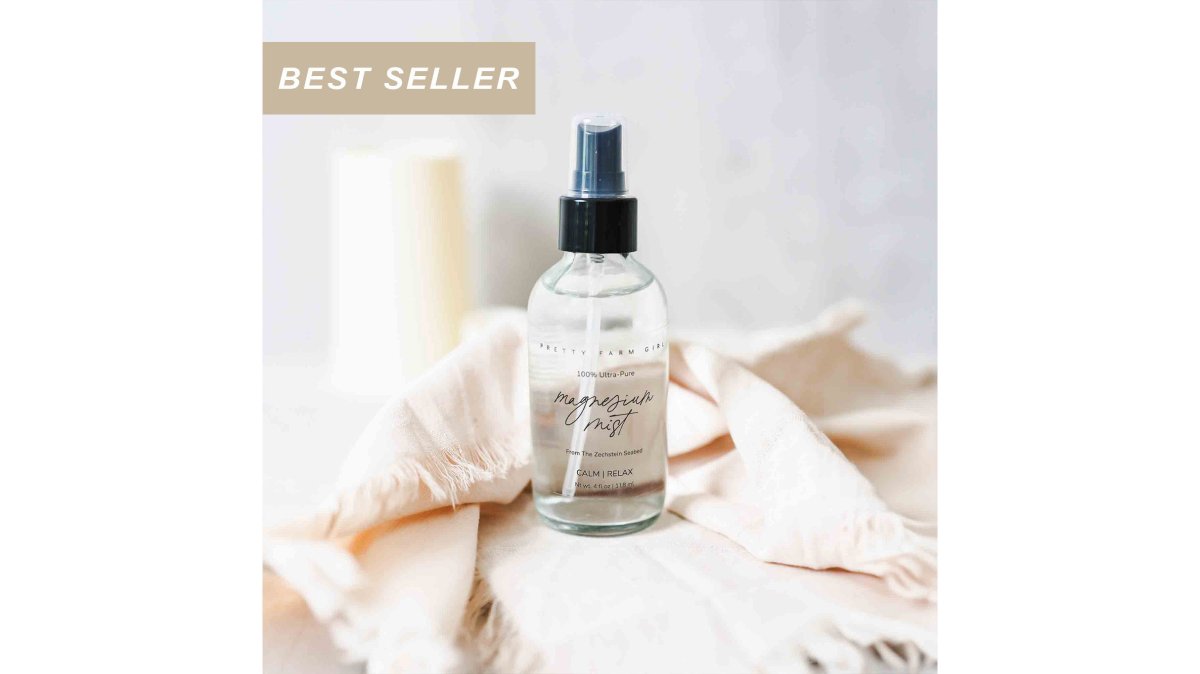
A common pattern is that people buy three stress tools and use none, because each one demands a separate moment. The fix is to chain them: magnesium spray, then two minutes of scalp massage, then lights down. One anchor, three steps, under five minutes.
How to Build a Wellness Routine That Sticks
A wellness routine sticks when it is short, anchored to something you already do, and forgiving. Most people fail because they design a twenty-minute ritual and then skip it entirely when they only have five minutes.
Build it in this order:
- Pick one anchor habit. Brushing teeth, morning coffee, or your evening shower.
- Attach one tool to it. Scalp massager in the shower. Dry brush before dressing.
- Cap it at two minutes. If it runs longer, you will skip it on busy days.
- Add one evening step. Magnesium mist before bed is a good candidate.
- Track loosely. A visible water bottle is enough; you do not need a spreadsheet.
Sleep hygiene and hydration support every other habit, so treat them as the foundation rather than extras. As the Sleep Foundation's guidance on sleep hygiene explains, consistent timing and a calming pre-sleep routine do more for rest quality than most gadgets.
That is the whole system. Small, anchored, repeatable.
Long-Term Value: Durability, Sustainability, and Safety
Most "best of the year" lists stop at the unboxing. The question that actually matters is which tools are still in your routine three years from now, and which ones were disposable trends dressed up as wellness. This is the section most guides skip, so treat it as your filter before you spend.
Durability: the cost-per-use math
A tool's real price is its sticker price divided by the number of uses you get from it. Here is how the core tools in a daily routine typically break down:
| Tool | Price | Typical Lifespan | Care | Rough Cost Per Use |
|---|---|---|---|---|
| Bamboo Exfoliating Dry Brush With Sisal Bristles | $16.00 | ~3 months | Boil bristles 1-2 minutes | Pennies per use |
| Dry Face Brush | $12.00 | ~3 months | Mild soap, air dry | Pennies per use |
| Bamboo Stimulating Scalp Massager | $12.00 | 1+ year | Hand wash, air dry | Fractions of a cent |
| Bamboo Exfoliating Foot Pedicure Tool | $10.20 | 6+ months | Hand wash, air dry | Pennies per use |
| COLDEST 46oz Limitless Ultra v8 | $64.99 | 5+ years with normal use | Hand wash lid, air dry body | A few cents per day |
A $12 scalp massager that lasts a year costs less per use than a $4 plastic version you replace every six weeks. The pattern holds across the category: natural, repairable, single-purpose tools win on cost-per-use even when they lose on sticker price.
Sustainability and ethical sourcing
Durability and sustainability are the same conversation. A tool made from bamboo, sisal, or glass that lasts months and then composts costs less over a year than three plastic versions of the same thing.
When you are comparing options, ask three questions most product pages do not answer:
- What is it made of, and where did that material come from? Bamboo and sisal are fast-renewing crops; look for brands that say so plainly rather than hiding behind a vague "eco-friendly" badge.
- Can it be repaired, refilled, or composted? A bottle with a replaceable lid, a brush with a replaceable head, or a tool that composts at end of life beats a sealed unit every time.
- Who made it, and under what conditions? Ethical sourcing is hard to verify from a product page, but brands that publish supplier information or third-party certifications are the ones worth your money. If a brand will not tell you, that silence is the answer.
Ecosystem compatibility: buy tools that work with what you own
Fragmented apps are the quiet reason most wellness routines collapse. A sleep tracker, a hydration bottle, a meditation app, and a fitness band that each want their own login is four reasons to quit. Before you buy anything with a chip in it, check two things: does it export data in a standard format, and does it work with the platform you already use? A 46oz bottle that fits 99% of cupholders and accepts standard wide-mouth lids integrates into your day instead of fighting it.
The simplest ecosystem is the one with the fewest apps. If a tool needs a login to be useful, it had better replace something you already do, not add to it.
Safety and who should avoid what
This is the part most guides leave out, and it is the part that protects you:
- Do not share exfoliating brushes. Bristles trap skin cells and bacteria. Replace them once bristles splay, and never share a face brush.
- Skip dry brushing on broken, sunburned, or inflamed skin, and avoid it entirely if you have eczema, psoriasis, or a active flare. Over-brushing causes irritation that sets your routine back weeks.
- Patch-test topical products, magnesium sprays, essential oil blends, anything new, on a small area 24 hours before full use.
- Check with a clinician before adding topical magnesium, essential oils, or new supplements if you are pregnant, nursing, or managing a chronic condition.
- Do not treat wellness tools as medical devices. They support a routine; they do not diagnose or treat anything.
The FDA guidance on cosmetic product safety is a useful reference for understanding how topical products are regulated and what claims brands can legitimately make. When a brand's claims outrun what regulators allow, that is a signal to slow down.
Frequently Asked Questions
What are the most effective daily wellness tools for busy professionals?
The most effective daily wellness tools for professionals are ones that fit into existing habits without adding time. A scalp massager used during your regular shower, a magnesium mist sprayed on before bed, and a dry brush used for two minutes before dressing all take under five minutes each. These tools support circulation, muscle relaxation, and skin health without requiring a separate routine block. Look for items made from natural materials like bamboo and sisal, which hold up well with regular use and are compostable at end of life.
How do I choose high quality wellness products that actually work?
Start with materials and construction. Natural bristle brushes, stainless steel or glass containers, and tools with clear care instructions tend to outlast plastic alternatives. Check whether the product lists its ingredients or materials plainly, since vague labeling often signals low-quality sourcing. For skincare mists and toners, look for short ingredient lists and third-party testing claims like dermatologist-tested or non-comedogenic. A tool that lasts three months of daily use and costs under $20 typically delivers better value than a cheaper version you replace every few weeks.
Are expensive wellness tools worth the investment?
Price alone does not determine quality. Several effective daily wellness tools cost between $10 and $25, including dry brushes, scalp massagers, and pedicure tools. A 46oz insulated water bottle at $64.99 costs more upfront but replaces disposable plastic bottles, which matters if hydration is part of your routine. The better question is cost per use: a $12 brush used daily for three months works out to roughly 13 cents per use, which is far less than most subscription wellness boxes.
What should be included in a premium daily wellness kit?
A practical kit covers exfoliation, circulation, hydration, and relaxation. That means a body brush for lymphatic support, a softer facial brush for gentle exfoliation, a scalp massager for tension relief during washing, and a magnesium mist for muscle recovery before sleep. Add a high-capacity water bottle to support hydration tracking through the day. You do not need every category at once. Start with two or three items that match your existing habits, then add tools as those habits become automatic.
How can daily wellness tools simplify my morning routine?
The key is pairing each tool with something you already do. Keep a scalp massager in the shower so it replaces nothing but adds circulation in the same two minutes. Use a dry body brush for 60 to 90 seconds before you get dressed, which exfoliates and wakes up your skin without a separate step. A pre- and probiotic jelly mist can be a refreshing addition. When tools attach to existing habits rather than creating new ones, your routine stays under ten minutes but covers more ground.