Table of Contents
- Quick Comparison: Top 10 Anti-Aging Skincare Products for 2026
- Best Anti-Aging Ingredients for 2026: What Actually Works
- 1. Firming & Renewing PDRN Serum
- 2. Retinol & Collagen Anti-Age Cream
- 3. Pink Lotus Peptide Renewal Face Cream
- 4. 24K Gold Anti-Aging Eye Patches
- 5. 4-in-1 Red Light Therapy Wand & Activating Serum Kit
- 6. Rose Glow Anti-Aging Face Serum
- How to Build a Mature Skincare Routine
- When to Start Using Anti-Aging Products
- Frequently Asked Questions
Last Updated: September 25, 2026
Quick Comparison: Top 10 Anti-Aging Skincare Products for 2026
The best anti-aging skincare routine in 2026 is not about chasing trends. It is about choosing products that support collagen production, protect the skin barrier, and deliver consistent results. This guide from Sak's Gl'amour ranks the top anti-aging skincare products by what they actually do.
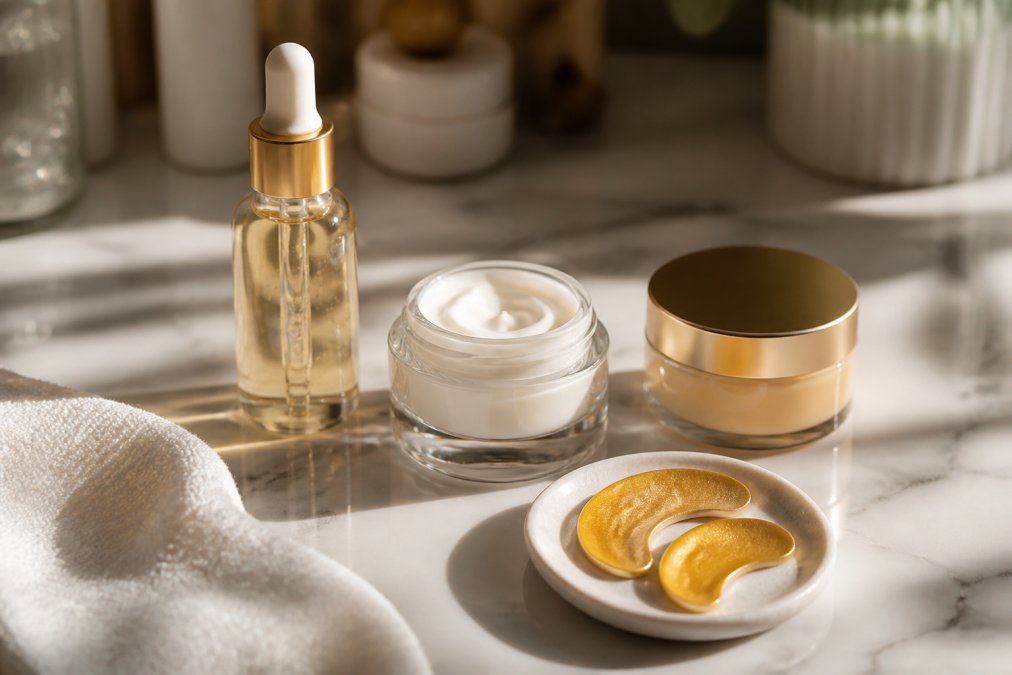
Quick Picks:
- Best Overall: Firming & Renewing PDRN Serum - plumps, smooths, and brightens at once
- Best for Fine Lines: Retinol & Collagen Anti-Age Cream - proven actives at an accessible price
- Best Splurge: 4-in-1 Red Light Therapy Wand & Activating Serum Kit - clinical-grade technology for home use
- Best for Puffiness: 24K Gold Anti-Aging Eye Patches - instant depuffing before events
| Product | Price | Key Actives | Best For |
|---|---|---|---|
| Firming & Renewing PDRN Serum | $12.99 | PDRN, multi-peptide | Overall firmness and glow |
| Retinol & Collagen Anti-Age Cream | $22.99 | Retinol, collagen, hyaluronic acid | Fine lines and hydration |
| Pink Lotus Peptide Renewal Face Cream | $48.00 | Pink lotus, peptides | Brightening and depuffing |
| 24K Gold Anti-Aging Eye Patches | $12.99 | Hyaluronic acid, pearl extract | Dark circles and puffiness |
| 4-in-1 Red Light Therapy Wand Kit | $189.00 | Red light, galvanic current | At-home collagen support |
| Rose Glow Anti-Aging Face Serum | $24.99 | Rosehip, tamanu, sea buckthorn | Nourishment and radiance |
Best Anti-Aging Ingredients for 2026: What Actually Works
The most effective anti-aging ingredients in 2026 are not the newest ones, they are the ones with decades of research behind them. Retinoids, peptides, hyaluronic acid, vitamin C, niacinamide, and PDRN each target a different part of the aging process.

Retinoids: The Gold Standard for Cell Turnover
Retinoids (retinol, retinaldehyde, and prescription tretinoin) bind to retinoid receptors in skin cells, speeding up cell turnover and stimulating collagen synthesis in the dermis. That dual action is why they smooth fine lines, fade pigmentation, and improve texture simultaneously. The trade-off is tolerability: retinol is the gentlest over-the-counter form, retinaldehyde sits in the middle, and tretinoin is the most potent and most irritating.
Peptides: Signal Molecules, Not Fillers
Peptides are short amino acid chains that mimic fragments of collagen and elastin. Applied topically, they act as signaling molecules, telling skin cells to ramp up their own collagen production rather than replacing collagen directly. Gentle enough for sensitive skin and compatible with retinoids, they are best judged over at least twelve weeks.
PDRN: Cellular Repair Support
PDRN (polydeoxyribonucleotide), derived from salmon DNA fragments, has moved from Korean clinical skincare into mainstream formulas. It supports cellular repair by supplying nucleotide building blocks skin cells use during recovery. PDRN is not a replacement for retinol, it is a complementary active for firmness and glow without the irritation curve of retinoids, especially useful for post-procedure recovery and retinol-sensitive mature skin.
Vitamin C and Niacinamide: Brightening and Barrier Support
Vitamin C (L-ascorbic acid and its more stable derivatives) is a potent antioxidant that neutralizes UV-generated free radicals and supports collagen synthesis. Use it in the morning, under sunscreen. Niacinamide (vitamin B3) strengthens the skin barrier, regulates oil, and reduces redness, one of the few actives that plays well with almost everything, including retinol and vitamin C.
Hyaluronic Acid and Barrier Lipids: Hydration That Holds
Hyaluronic acid draws water into the upper layers of skin, but only works if the barrier above it is intact, which is why ceramides, cholesterol, and fatty acids matter as much as any active. A compromised barrier lets water escape and irritants in, accelerating fine lines. The 2026 shift is toward combining humectants (hyaluronic acid, glycerin) with barrier lipids in one product rather than layering them separately.
How to Pair Actives Without Wrecking Your Barrier
A common mistake is stacking every "hero" ingredient into one routine. A safer framework:
- Morning: antioxidant (vitamin C) → moisturizer → broad-spectrum SPF
- Evening: gentle cleanser → one treatment active (retinol or peptide/PDRN, not both at full strength) → barrier moisturizer
- Alternate nights: if you want both retinol and exfoliating acids, use them on different evenings, never the same one
1. Firming & Renewing PDRN Serum
The Firming & Renewing PDRN Serum is the standout pick for visible firmness without irritation. Its multi-peptide formula targets wrinkles, age spots, and rough texture while brightening dull skin, and the PDRN component supports cellular repair rather than just surface hydration. It suits mature skin of all types, including dry, oily, combination, and sensitive.
Pros:
- Works on firmness and brightness simultaneously
- Gentle enough for sensitive skin
- Affordable entry point at $12.99
Cons:
- Results build gradually over several weeks
2. Retinol & Collagen Anti-Age Cream
This cream combines three proven actives: retinol for cell turnover, collagen for elasticity, and hyaluronic acid for hydration. If you are new to retinol, this is the safest place to begin. The formula is designed for both women and men and made in the USA.
Pros:
- Three proven ingredients in one step
- Suitable for day or night use
- $22.99 for a full-size jar
Cons:
- Retinol requires sun protection during the day
3. Pink Lotus Peptide Renewal Face Cream
Pink Lotus Peptide Renewal Face Cream pairs a botanical brightener with advanced peptides for a firming, depuffing effect. The texture is rich but not greasy, making it a good fit for evening use.

Pros:
- Brightens uneven tone
- Reduces puffiness
- Rich, spa-like texture
Cons:
- Higher price point at $48.00
4. 24K Gold Anti-Aging Eye Patches
The 24K Gold Anti-Aging Eye Patches deliver intensive hydration with hyaluronic acid, pearl extract, vitamin C, and marine collagen. They are best used before events when you need a quick depuffing effect.

Pros:
- Fast visible results for puffiness
- Hydrogel stays in place
- $12.99 per pack
Cons:
- Temporary effect rather than long-term correction
5. 4-in-1 Red Light Therapy Wand & Activating Serum Kit
This kit bundles the FDA-cleared Solawave 4-in-1 Radiant Renewal Wand with a full-size activating serum, combining red light therapy at 630nm, therapeutic warmth, galvanic current, and facial massage vibration in one handheld device. Treatments take three minutes, three to five times weekly. It is HSA/FSA eligible and backed by a 60-day money-back guarantee, but not recommended during pregnancy or for those with photosensitivity conditions.
Pros:
- Four technologies in one device
- Clinical-grade at-home option
- 1-year warranty
Cons:
- $189.00 investment
- Not suitable for everyone
6. Rose Glow Anti-Aging Face Serum
Rose Glow Anti-Aging Face Serum is an organic oil blend of rosehip, tamanu, sea buckthorn, and carrot seed oils. It nourishes and supports a radiant complexion without synthetic actives.
Pros:
- Certified organic ingredients
- Gentle for reactive skin
- Available in 15ml and 29ml sizes
Cons:
- Contains tamanu oil, a tree nut oil
- Not a replacement for retinol-based correction
How to Build a Mature Skincare Routine
A mature skincare routine follows the same basic order at every age, cleanse, treat, moisturize, protect, but the actives and intensity should shift with your skin's biology. The 2026 approach is a routine matched to your decade, barrier health, and specific concerns.
Routine by Age: What to Add and When
In your 20s: Prevention is the entire game. Daily broad-spectrum SPF, a gentle cleanser, a basic moisturizer, and one antioxidant serum (vitamin C) cover almost everything. Collagen production is near peak, so aggressive actives are unnecessary.
The Skin Barrier Angle: Why Less Is Often More
Most anti-aging guides focus on "fixing" aging. A more useful frame for 2026 is protecting the skin barrier to prevent premature aging. The barrier, the stratum corneum, is made of corneocytes held together by lipids (ceramides, cholesterol, fatty acids). When that lipid matrix is compromised by over-exfoliation, harsh cleansers, or too many actives at once, water escapes and irritants enter, producing dullness, fine lines, and sensitivity that look like aging but are actually barrier damage.
Personalizing Your Routine: A Quick Self-Assessment
Before buying anything, identify your skin type and primary concern:
- Dry and tight by midday? Prioritize barrier lipids and humectants (hyaluronic acid, glycerin, ceramides). Introduce retinoids slowly.
- Oily with visible pores? Niacinamide and a lightweight retinol work well; avoid heavy occlusives.
- Sensitive or reactive? Start with peptides and PDRN before retinoids. Patch-test every new active on your jawline for three nights.
- Combination? Treat zones differently, lighter moisturizer on the T-zone, richer on cheeks.
Morning vs. Evening: The Split That Matters
Morning steps should include an antioxidant serum, a moisturizer, and broad-spectrum SPF. Evening steps should include a gentle cleanser, one treatment active (retinol, peptide, or PDRN), and a richer moisturizer to support nighttime recovery, the skin's repair processes peak overnight, which is why corrective actives belong in the evening and protective ones in the morning.
When to Start Using Anti-Aging Products
Most skincare professionals suggest starting preventive anti-aging steps in your mid-20s, when collagen production begins to slow. That means sunscreen daily, a good moisturizer, and one antioxidant serum, not a full routine overnight. By your 30s, adding a retinol or peptide product makes sense. In your 40s and beyond, focus shifts toward firmness, hydration, and barrier support.
When to Start Using Anti-Aging Products
Most skincare professionals suggest starting preventive anti-aging steps in your mid-20s, when collagen production begins to slow. That does not mean a full routine overnight. It means sunscreen daily, a good moisturizer, and one antioxidant serum.
Frequently Asked Questions
What ingredients should I look for in anti-aging skincare in 2026?
Focus on ingredients with proven results. Retinol increases cell turnover and supports collagen production. Hyaluronic acid draws moisture into the skin for better hydration levels. Vitamin C provides antioxidant protection against sun damage. Peptides, including copper peptides, support skin firmness and barrier function. PDRN is gaining attention for cellular repair. Look for dermatologist-tested formulas with these actives rather than trendy blends that lack clinical backing.
How long does it take to see results from anti-aging products?
Most anti-aging skincare products need 8 to 12 weeks of consistent use before you notice visible changes in fine lines, skin texture, or firmness. Retinol and peptide formulas work gradually by supporting collagen production and cellular repair. Hydrating ingredients like hyaluronic acid can plump skin within days, but wrinkle reduction and improved skin elasticity take longer. Take photos every few weeks to track subtle progress.
Are expensive anti-aging products actually better than affordable ones?
Price does not guarantee results. What matters is the concentration and stability of active ingredients, plus how well a formula suits your skin. Several effective options cost under 25 dollars, including retinol creams and collagen moisturizers. A 189 dollar red light therapy wand offers a different approach with FDA-cleared technology, but it works alongside, not instead of, a solid topical routine. Match products to your specific concerns rather than your budget ceiling.
Can you reverse signs of aging with skincare alone?
Skincare can visibly improve fine lines, uneven tone, and dryness, but it cannot fully reverse deep wrinkles or lost volume. Topical products support collagen production, hydration levels, and barrier function, which makes skin look firmer and more radiant. For more dramatic changes, procedures like lasers or fillers are options. A consistent routine with retinol, peptides, and sun protection delivers the best results skincare alone can achieve.
What is the most important step in an anti-aging skincare routine?
Sun protection is the single most important step. UV exposure causes photoaging, which accounts for most visible signs of aging including wrinkles, age spots, and loss of skin firmness. Apply broad-spectrum SPF every morning, even on cloudy days. After that, a retinol product at night and a hydrating serum or moisturizer support collagen production and skin rejuvenation while you sleep.
Building a routine that actually delivers results takes patience and the right products. Sak's Gl'amour curates skincare designed to simplify that process, from the Firming & Renewing PDRN Serum to the 4-in-1 Red Light Therapy Wand Kit. Each product is selected to help you look and feel your best without a complicated regimen. Explore the full skincare collection at Sak's Gl'amour and find the routine that fits your life.